
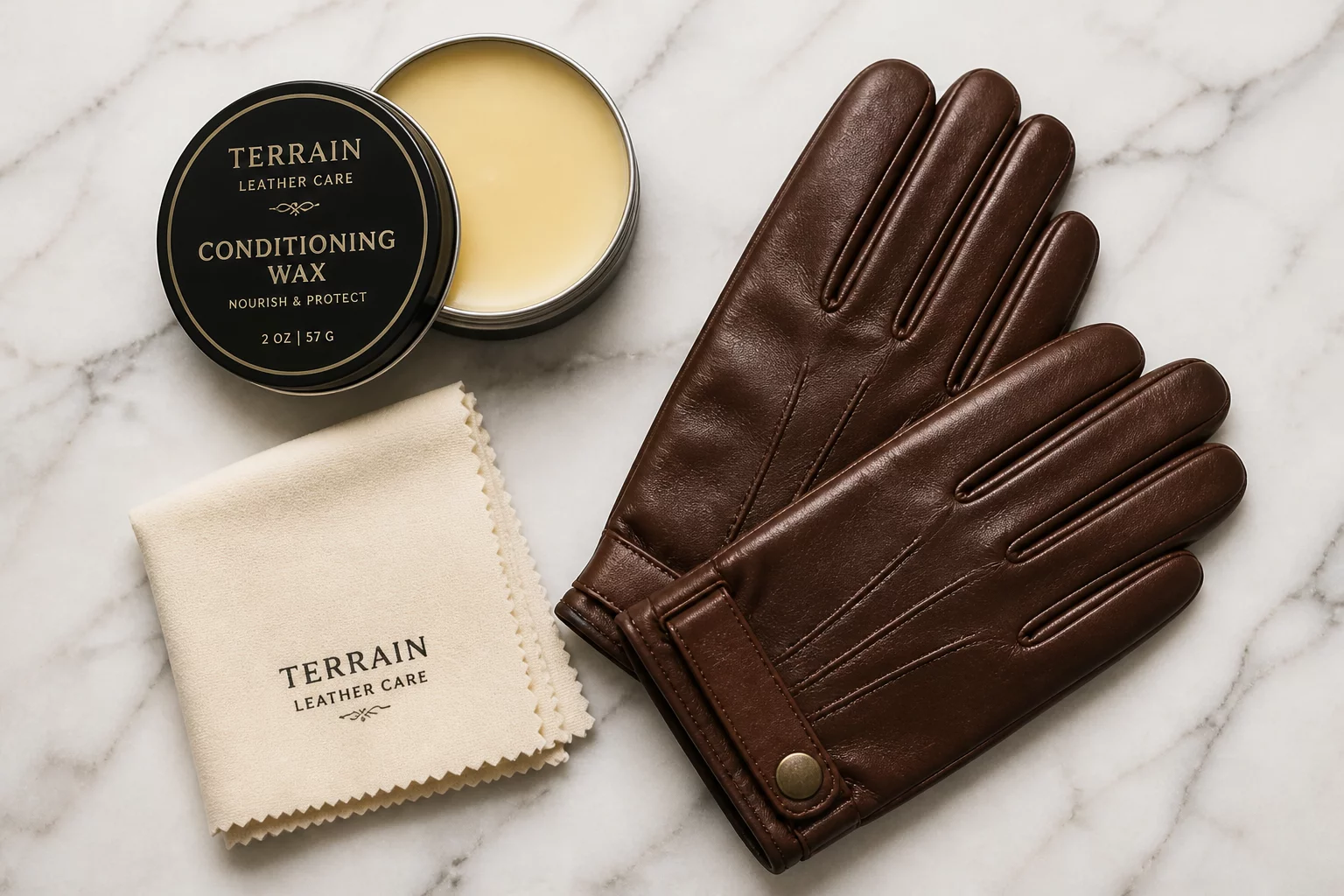
Proven Principles of Leather Longevity
Real leather requires natural moisture balancing. Direct high heat ruins supple fibers, while periodic balm application preserves water repellency, grip elasticity, and seam strength across seasons.
Gentle Dirt Removal and Safe Surface Cleaning
Natural leather breathes through microscopically porous grain structures. Over time, road grime, sweat salts, and abrasive dust lodge inside these pores, stiffening the hide and accelerating seam wear. Begin routine maintenance by wiping exterior surfaces with a damp, lint-free microfiber cloth. Avoid soaking the hide in standing water or utilizing harsh detergents containing petrochemical solvents, as they strip out fundamental tanning oils.
For stubborn grease marks or trail dirt, prepare a mild solution of lukewarm water and specialized pH-balanced saddle soap. Apply the foam sparingly using circular, featherlight strokes without saturating the inner lining. Once cleansed, pat the exterior dry with a fresh towel and allow the pair to rest naturally at room temperature away from active heating vents or scorching sunlight.
"Conditioning leather isn't merely about aesthetic shine—it actively restores the structural lipid matrix that prevents tensile cracking under heavy mechanical strain."
Essential Rules for Leather Glove Maintenance
-
01
Never Force Accelerated Heat Drying Placing wet leather over radiators, car defrosters, or open heat sources evaporates internal essential moisture rapidly, causing irreversible shrinkage and brittle fiber fracture.
-
02
Apply Natural Wax Balms Moderately Over-saturating gloves with heavy liquid oils softens structured knuckle seams and clogs breathability. Use small pea-sized portions of beeswax or lanolin-based conditioners twice per season.
-
03
Reshape While Damp for Custom Ergonomics Slip the slightly damp gloves onto your hands after gentle wiping to reset finger contours and knuckle creases before laying them flat on a clean dry towel.
Conditioning, Sealing, and Off-Season Protection
After the leather has dried to a supple state, apply a premium wax balm or lanolin conditioner using a clean cotton applicator. Work the compound into high-friction zones such as palm grips, thumb saddles, and finger flex points. The natural fats penetrate deep into the dermis layers, restoring flexible tensile resistance and creating a protective hydrophobic barrier against cold drizzle and wind chill.
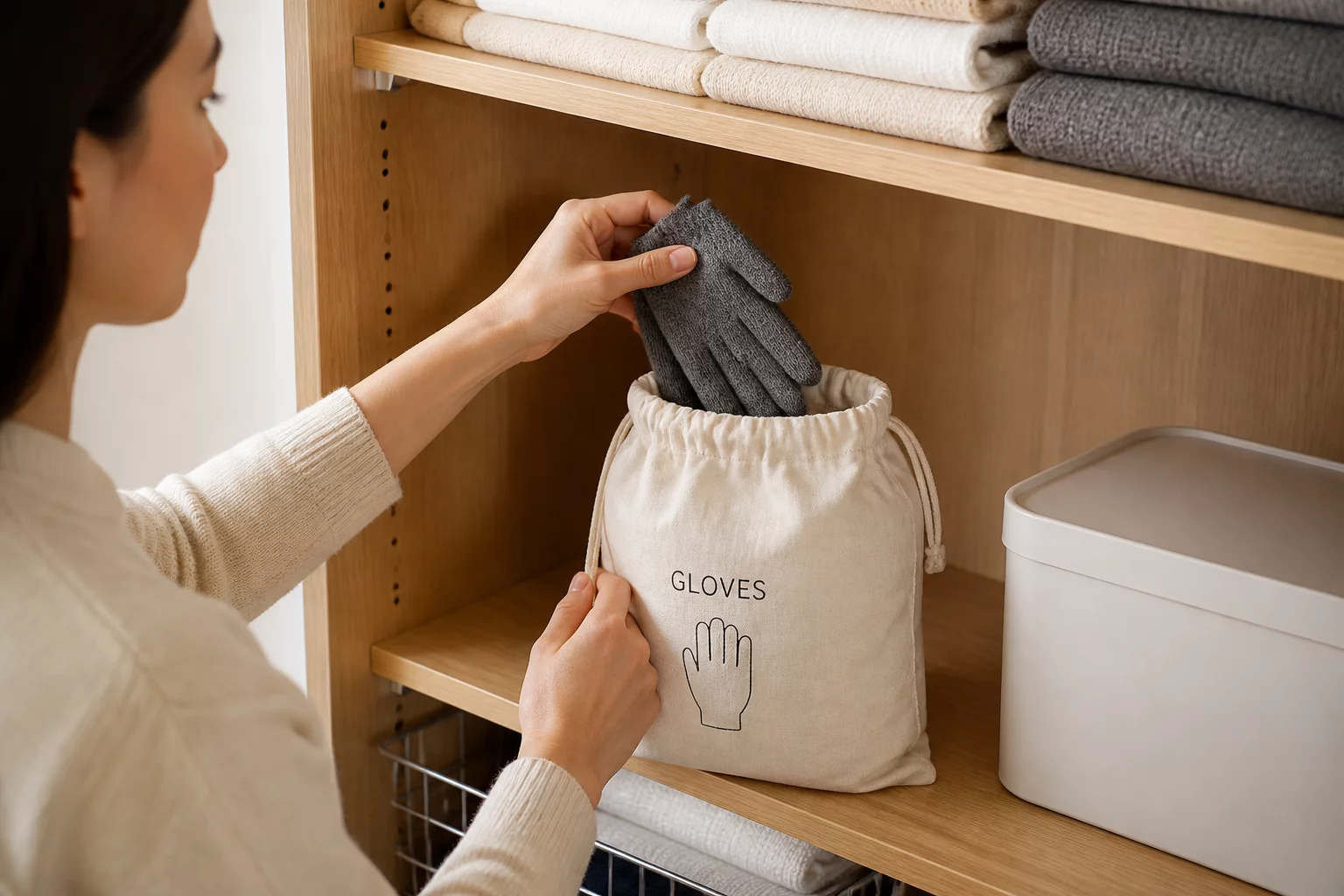
For off-season storage, never seal leather handwear inside airtight plastic bags where trapped humidity breeds mildew and fiber decay. Instead, store your conditioned gloves flat inside breathable cotton pouches in a well-ventilated, dry closet with ambient temperatures below 25°C.
Reader Feedback & Reviews
Share your hands-on experience or ask our gear specialists.
Leave Your Thoughts
Your email address will not be published. Required fields are marked *