
Essential Milestones in Protective Handwear
Work gloves began as untanned hide bindings designed to prevent friction blisters and thorn cuts. Over several centuries, specialized blacksmith gauntlets, railroad steam mittens, and modern synthetic polymers turned simple manual wraps into certified personal protective equipment.
Ancient Roots and Guild Craftsmanship
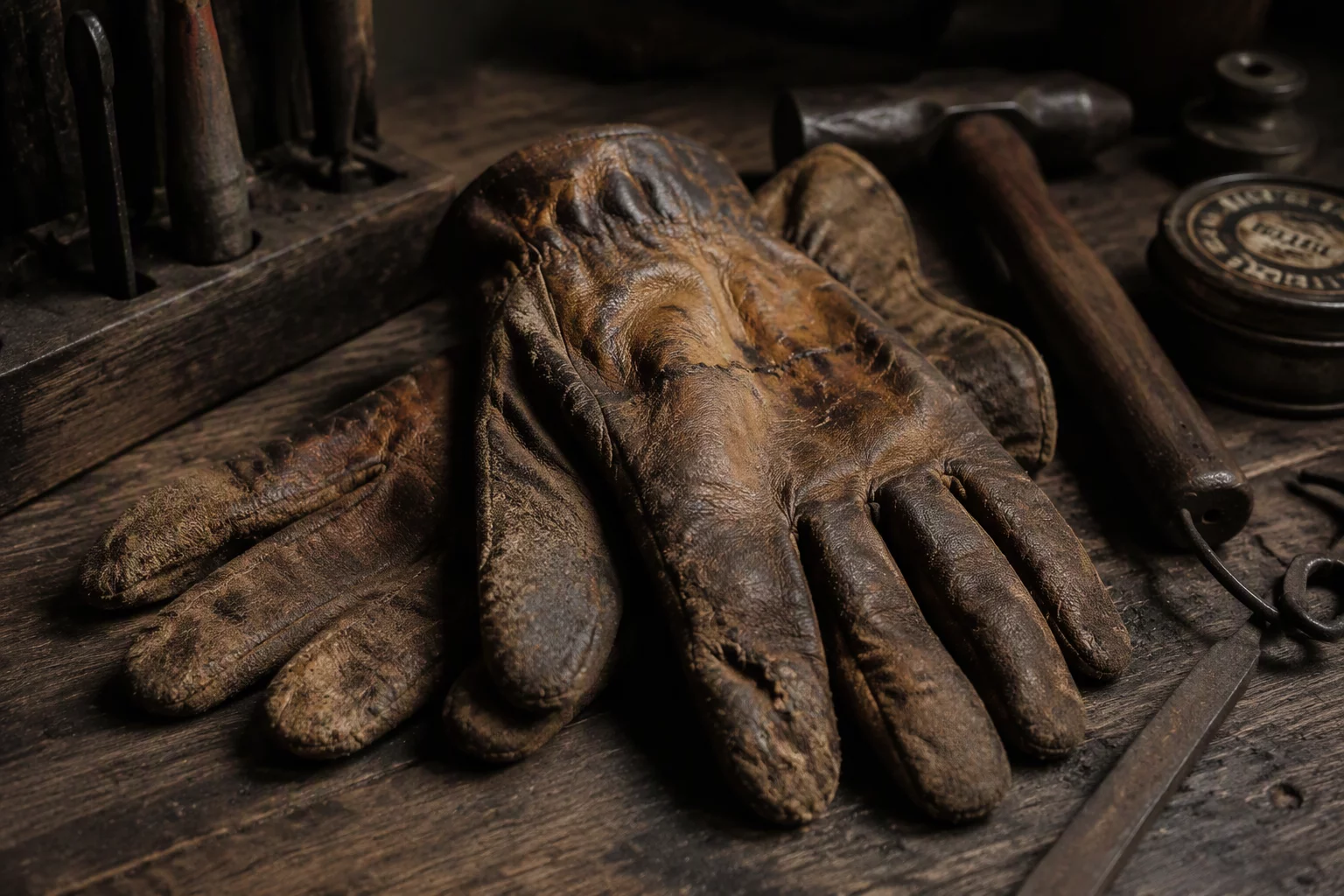
Early agricultural laborers and stonemasons relied on basic strips of cured leather wrapped securely around the palm to resist blistering, crushing friction, and abrasive rocks. Historical records from ancient agrarian communities note crude rawhide sleeves crafted specifically for thorny hedgerows and timber handling. These early protectors prioritized brute durability, accepting stiff mobility in exchange for basic protection against deep lacerations.
During the Renaissance, specialized trade guilds refined tanning methods and started cutting individual finger segments. Blacksmiths required heavy split-cowhide gauntlets that deflected glowing forge sparks, while quarrymen and carriage drivers demanded supple buckskin palms with reinforced seam welts. Protecting the hands transformed from an improvised chore into an established artisanal discipline.
"The work glove represents humanity's primary tool modification: an indispensable external shield that enabled artisans, miners, and builders to construct the modern infrastructure around us."
Pivotal Eras in Work Glove Design
-
01
19th Century Railway & Foundry Boom Locomotive stokers and track crews handled scalding iron levers and abrasive ballast stone, prompting the mass production of heavy-duty Gunn-cut cowhide gloves.
-
02
Mid-20th Century Industrial Standardization Automotive assembly lines introduced pre-curved ergonomic finger molds, oil-resistant rubberized coatings, and rigorous workplace puncture benchmarks.
-
03
21st Century Engineered Composites Modern handwear incorporates ballistic aramid knits, micro-foam nitrile grips, impact-deflecting TPR dorsal armor, and capacitive touchscreen tips.
The Ergonomic Revolution and Specialized Synthetics
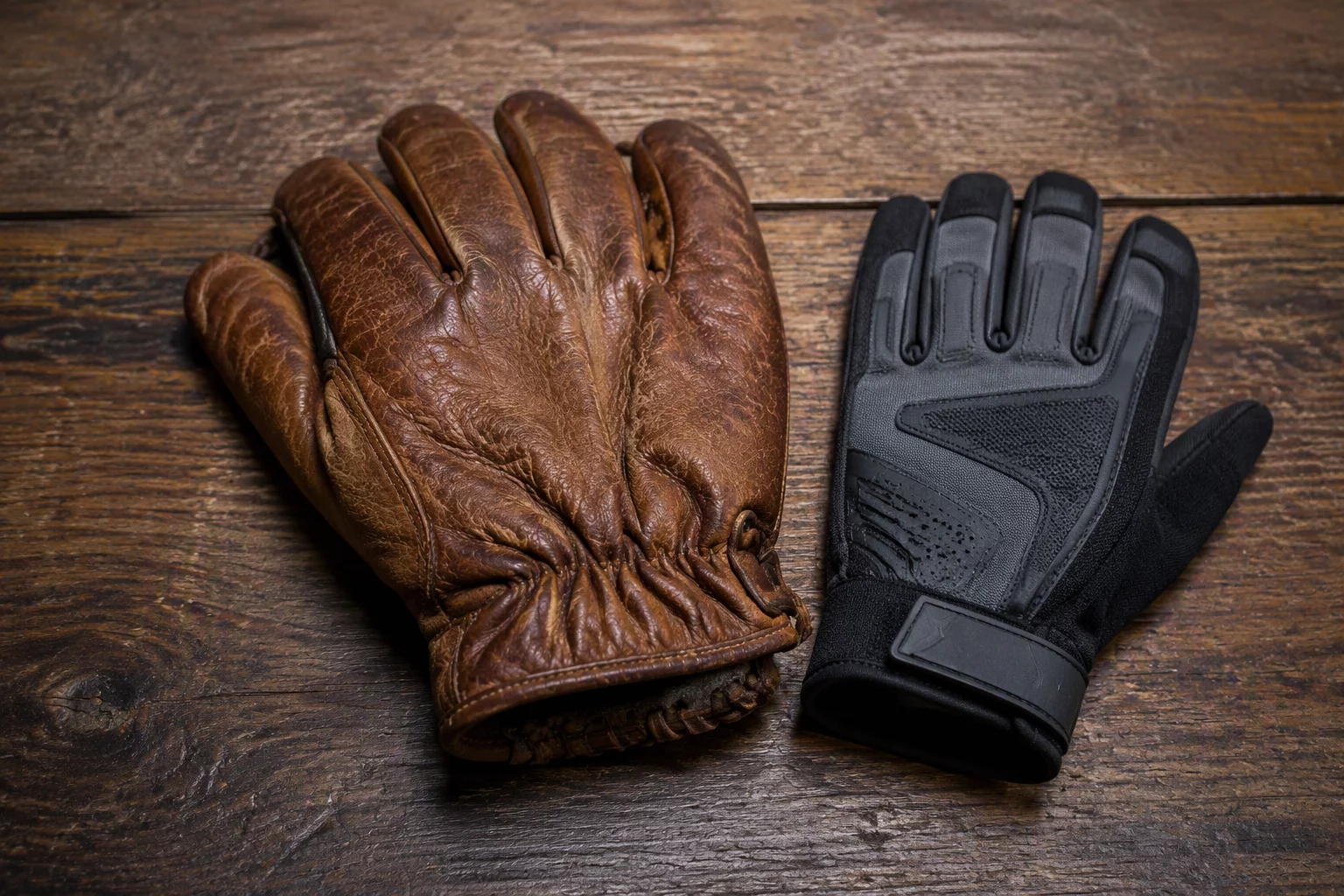
Heavy split leather remained the standard across workshops for generations, yet its bulky profile often led operators to discard gloves when fine dexterity was needed. The development of high-tensile engineered yarns solved this long-standing dilemma. Workers gained superior blade-cut resistance in flexible, featherlight gloves that maintain natural tactile feedback on delicate fasteners.
Today, advanced glove manufacturers combine traditional grain leather longevity with modern micro-dipped coatings and impact defense. Whether working in cold storage facilities, handling sheet metal in fabrication shops, or operating heavy machinery control panels, workers now benefit from purpose-engineered hand protection that balances safety with all-day comfort.
Reader Feedback & Reviews
Share your hands-on experience or ask our gear specialists.
Leave Your Thoughts
Your email address will not be published. Required fields are marked *